
Partner with Epifluence to Transform Rural Addiction Care
Epifluence can help with your application. We can Strengthen Rural Health, Together.
Who We Are

Epifluence LLC is a clinical strategy, data and implementation partner focused on improving access to evidence-based care in rural and underserved communities. We specialize in addiction medicine, opioid stewardship, and innovative care delivery models that align with federal and state transformation priorities, including RHTP. We have deep expertise in rural SUD care models, proven experience with telehealth-enabled systems, strong alignment with RHTP funding priorities and the ability to support multi-partner, regional initiatives.
ROOTS (Rural Opioid & Addiction Treatment System)
A regional care model focused on:
Expanding access to evidence-based SUD treatment
Supporting rural hospitals and providers with clinical guidance + care pathways
Building local capacity while reducing unnecessary transfers
Our Core Models:
TeleROOTS
An extension of ROOTS that provides direct patient care through:
Telehealth addiction treatment services
Real-time clinical support for SUD and withdrawal management
Specialty consultation access for rural providers
Integration with ED, inpatient, and outpatient workflows
Priority Service Areas
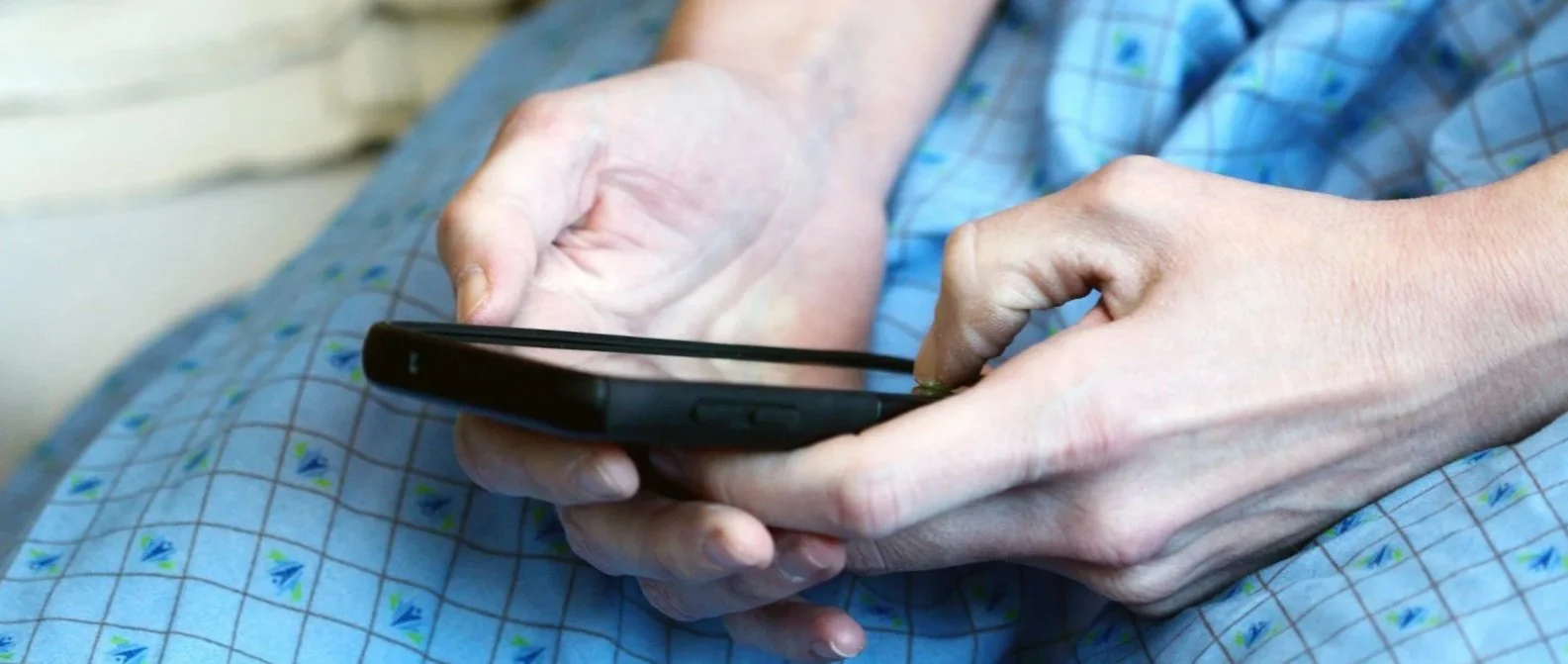
-
Build and scale hybrid in person & telehealth-enabled addiction care services lines:
ED, inpatient, and outpatient workflows
Case Coordination & Follow-up support
Provider training and real-time consult access
340B optimization
Creation of inpatient Withdrawal Management service lines
TeleROOTS expands specialty access and supports frontline clinicians
-
Epifluence is looking for hospital partners with community paramedicine or home health programs for a regional pilot that supports safe home-based care models:
Evidence-based protocols (ASAM-aligned)
Patient selection + risk stratification
Remote monitoring + care coordination
WMaH reduces admissions, improves access, keeps care local & supports community based recovery.
TeleROOTS
A Regional Hub-and-Spoke Care Model
Service Line Overview
TeleROOTS is a telehealth-enabled addiction medicine hub-and-spoke program designed to extend specialty substance use disorder (SUD) care into rural and community hospitals. The program aims to support up to 15 additional regional hospital sites, providing standardized, evidence-based care, real-time clinical support, and seamless transitions across the continuum of care.
TeleROOTS integrates directly with Recovery is Home and Colorado/Wyoming ROOTS Care Coordination service lines, ensuring patients move efficiently from acute care → withdrawal management → longitudinal recovery support.
Care Model
Staffing:
Approach
TeleROOTS aligns care across sites through:
Evidence-based protocols (ASAM-guided withdrawal and treatment models)
Standard workflows for:
SUD screening and documentation
Medication initiation
Discharge planning and follow-up
Consistent clinical decision support and escalation pathways
TeleROOTS:
Expands access to addiction care without requiring specialists at each site
Improves clinical confidence and consistency for hospital providers
Reduces readmissions and fragmentation of care
Is a scalable, cost-effective model for rural regions
-
Teleconsults, protocol oversight, complex case management
-
On-site care delivery with TeleROOTS support
-
Discharge planning and follow-up scheduling
-
Clinical pharmacist, peer recovery, behavioral health
Hub-and-Spoke Structure:
Hub (TeleROOTS central team):
Addiction medicine physician/APP specialists
Clinical protocols, training, and oversight
Tele-consultation and case support
Spokes (participating hospitals):
EDs, inpatient units, and outpatient clinics
Local clinicians delivering care with TeleROOTS support
Integration with hospital workflows
Core Clinical Services:
TeleROOTS delivers real-time and longitudinal addiction care support including:
-
SUD screening, diagnosis, and treatment initiation
MOUD initiation (buprenorphine, naltrexone)
Withdrawal management guidance (bridging to Recovery is Home or inpatient if needed)
Complex case consultation (polysubstance use, comorbidities)
-
Rapid post-discharge follow-up (telehealth visits)
Warm handoffs to:
Recovery is Home (Level 2.7 WM-at-home)
Outpatient treatment and counseling
Peer recovery and behavioral health services
-
Ongoing telehealth visits for medication management (MOUD/MAT)
Relapse prevention and care coordination
Integration with counseling and peer services
Recovery is Home
Withdrawal Management at Home (WMaH): ASAM Level 2.7
Service Line Overview
Recovery is Home is a service line of TeleROOTS that delivers ASAM Level 2.7 withdrawal management in the patient’s home, combining telehealth, community-based visits, and remote monitoring to provide safe, structured detoxification without requiring inpatient admission. The program is designed for moderate withdrawal severity with medical oversight and enhanced monitoring, while maintaining dignity and recovery in a familiar environment. Recovery is Home fills the gap between low-intensity outpatient detox (Level 1) and high-cost inpatient/ residential withdrawal management (Level 3.7). It provides a scalable, patient-centered, and clinically robust alternative for moderate withdrawal.
Monitoring and Care Delivery
Clinical Model
Recovery is Home focuses on moderate-risk withdrawal requiring active monitoring but not 24/7 inpatient care, aligned with ASAM ambulatory WM Level 2 (extended monitoring).
Core principles:
Daily structured monitoring + scheduled clinical touchpoints
Medical oversight (physician/APP) with rapid escalation pathways
Integration of MOUD/MAT initiation during withdrawal
Direct linkage to ongoing recovery services (TeleROOTS continuum)
Target Population
Appropriate for patients with:
Moderate withdrawal severity (e.g., CIWA-Ar ~10–18; mild–moderate opioid withdrawal)
Medically and psychiatrically stable without high-risk comorbidities
Safe, substance-free home environment, active utilities + reliable support person
Ability to engage in daily monitoring (virtual + in-person)
Ability to reach the ED within 30 minutes
Not appropriate for:
History of severe withdrawal (seizures, DTs)
Active suicidality or unstable psychiatric illness
Unstable housing or lack of support system
-
Day 1: In-person assessment (paramedic/MA) + virtual clinician visit
Days 1–5:
Daily in-person visits or every-other-day (based on risk)
Daily virtual check-ins for symptoms, medication adjustment
Ongoing:
Remote patient monitoring (vitals as indicated)
Self-reported withdrawal scales via app/portal
Escalation protocols for clinical deterioration
Escalation triggers include:
Worsening withdrawal scores
Hemodynamic instability or persistent vomiting
Suicidality, psychosis, or inability to maintain oral intake
-
Multidisciplinary team delivering hybrid care:
Physician / APP: Initial evaluation, daily oversight, on-call escalation
Community paramedic or MA: Home visits, vitals, medication support
Nurse / monitoring team: Remote monitoring + triage alerts
Pharmacist (optional): Medication management
Peer recovery / counseling support: Engagement and retention
-
Recovery is Home reduces inpatient admissions while maintaining safety
Expands access in rural and underserved areas
Improves patient comfort, dignity, and engagement
Enables rapid initiation of evidence-based treatment (MOUD/MAT)
Seamless transition into long-term recovery services